

Why These Myths Persist — and What They're Actually Costing You
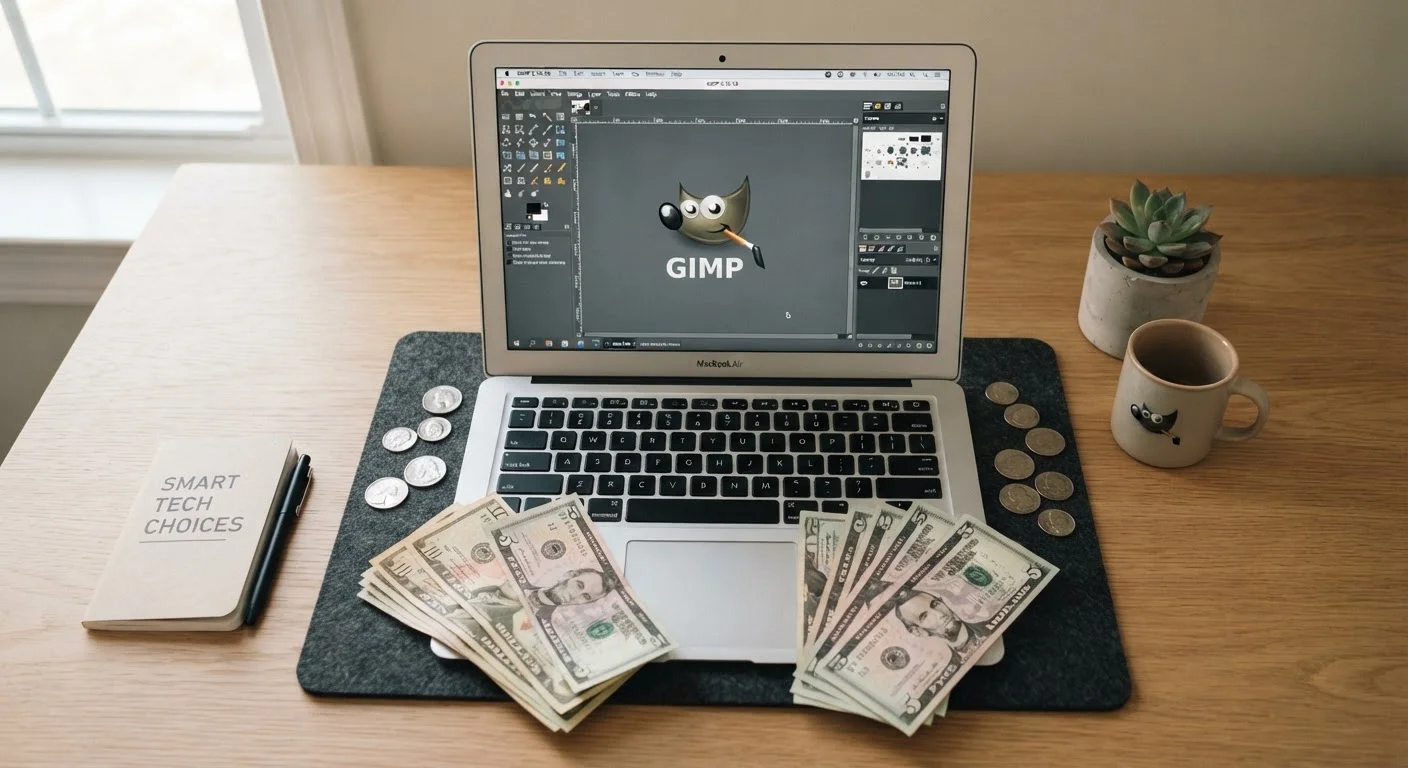
The idea that free software is inherently risky, unreliable, or "stripped down" is widespread — and it quietly costs budget-conscious users real money every month. If you're paying for a subscription tool out of habit or vague unease about free alternatives, you're not alone. But those assumptions deserve scrutiny.
These myths often originate from outdated experiences, marketing messaging from paid software vendors, or simple unfamiliarity with how free and open-source software actually works today. The result: millions of users pay recurring fees for tools they could replace at no cost, without meaningful loss of functionality.
This article tackles the most persistent misconceptions head-on. For a broader look at how unchecked software spending happens in the first place, see how bloated software plans happen.
Myth
Free software is always less secure than paid software.
Fact
Security depends on how software is developed and maintained, not its price tag.
Many of the most secure tools in widespread use — including the software that runs much of the internet's infrastructure — are free and open-source. Open-source code can be independently audited by anyone, which means vulnerabilities are often identified and patched quickly. Paid software, by contrast, relies on a single vendor's internal security team. Neither model is automatically safer. What matters is whether the project is actively maintained and has a clear process for addressing vulnerabilities.
Myth
Free tools can't handle professional or serious work.
Fact
Many free tools are used extensively in professional environments across a range of industries.
Graphic designers, researchers, software developers, and small business owners routinely use free software for mission-critical tasks. The assumption that professional-grade capability requires a subscription fee simply doesn't match how many workplaces actually operate. Functionality gaps do exist in some categories, but they are far more narrow than marketing materials for paid software tend to suggest. Evaluating a specific free tool against your actual workflow — rather than an imagined ideal — usually tells a more accurate story.
Myth
Switching to free software means losing all your existing files and work.
Fact
Most mainstream free tools support widely used file formats and can open or export your existing documents.
Compatibility concerns are legitimate, but often overstated. Free office suites, for instance, typically support the same document formats used by their paid counterparts. Spreadsheets, presentations, and text documents transfer in the majority of cases without meaningful data loss. The safest approach is to test your specific files with a free tool before fully committing — something that costs nothing and takes minutes. Switching costs are real but rarely as steep as assumed.
Myth
Free software comes with no support, so you're on your own if something breaks.
Fact
Many free tools have extensive community forums, official documentation, and in some cases commercial support options.
Support for free software varies widely, but the best-maintained projects have documentation that rivals or exceeds what paid vendors provide. Large user communities often mean that common problems are already answered in forums and help articles. Some open-source projects also offer paid support tiers for organizations that need guaranteed response times — meaning 'free software' and 'professional support' are not mutually exclusive. The key is checking what support resources exist for a specific tool before assuming there are none.
Myth
Free software is just a stripped-down demo designed to push you toward a paid upgrade.
Fact
Truly free and open-source software has no paid upgrade path — it is fully functional by design.
This myth conflates two distinct categories: freemium software, which is intentionally limited to drive upgrades, and genuinely free or open-source software, which is not a sales funnel. The confusion is understandable because both are often described as 'free.' Understanding the difference — particularly the licensing model behind a tool — is one of the most useful things a budget-conscious user can learn. A perpetual open-source licence means the software is free now and will remain free; a freemium tier may not.
Making Smarter Decisions About Free vs. Paid Tools
Understanding the myths is only half the battle. The more practical step is knowing how to evaluate any free tool before committing your workflow to it. Ask three questions: Is it actively maintained? Does it export to standard file formats? Is there a community or documentation you can rely on when something breaks?
If all three answers are yes, the tool is likely a reasonable candidate. It's also worth distinguishing between freemium software — which gives you a limited version to nudge you toward a paid tier — and genuinely free or open-source software, which has no hidden upgrade pressure. That distinction matters more than most people realize. Our breakdown of perpetual licences, subscriptions, and freemium models explains the differences clearly.
If you're ready to explore specific tools, free and open-source alternatives to the software you already pay for is a practical starting point. The same habit of questioning assumed costs applies beyond tech — it's the same thinking that helps with budget gadget decisions and even car ownership costs.
This article is for general informational purposes only. Software capabilities, security practices, and licensing terms change over time — always verify details directly with the software provider before making decisions based on your specific needs.
The content provided on our blog site traverses numerous categories, offering readers valuable and practical information. Readers can use the editorial team’s research and data to gain more insights into their topics of interest. However, they are requested not to treat the articles as conclusive. The website team cannot be held responsible for differences in data or inaccuracies found across other platforms. Please also note that the site might also miss out on various schemes and offers available that the readers may find more beneficial than the ones we cover.