

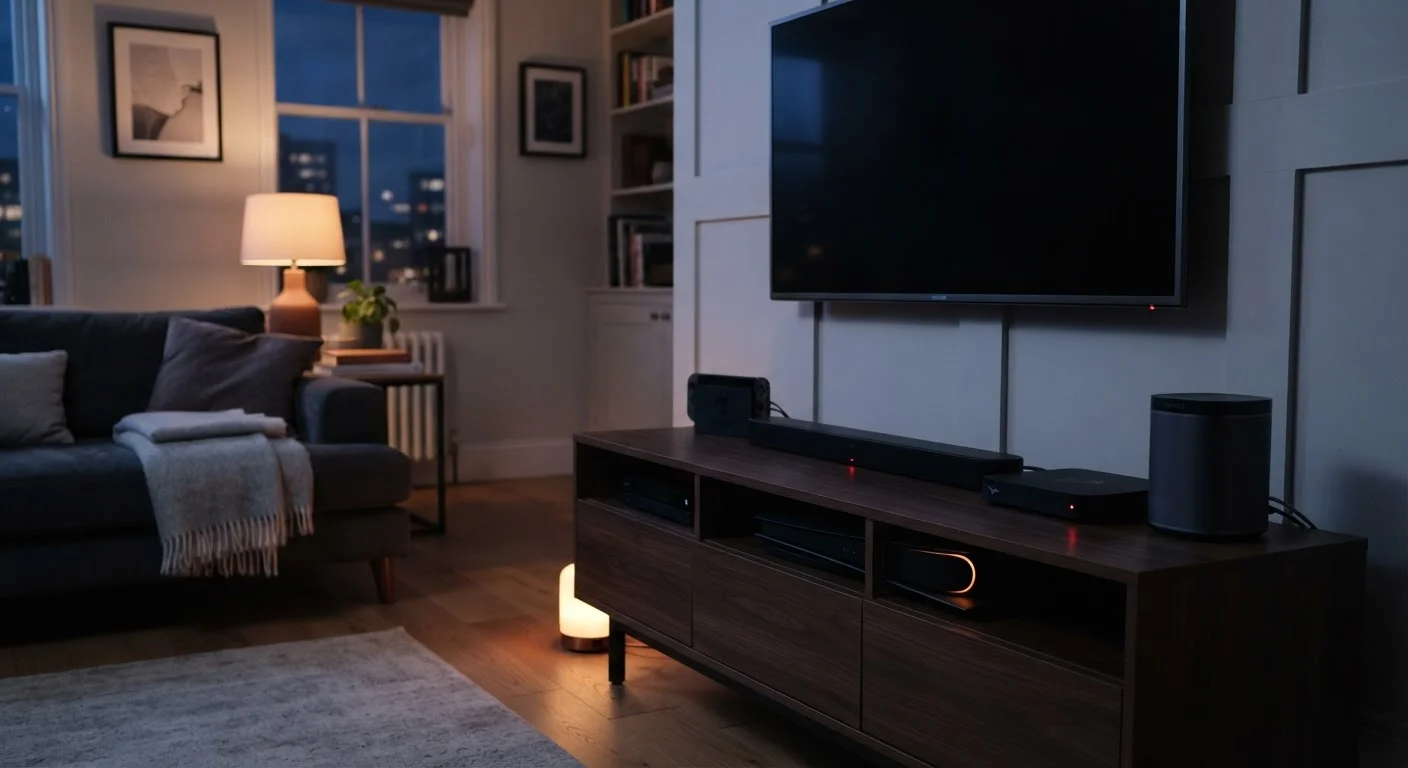
The 'Vampire Power' Problem Is Real — But So Is the Noise Around It
Standby power — often called 'vampire power' or 'phantom load' — has attracted a lot of attention in energy-saving circles, and not all of it has been well-calibrated. Some sources overstate it to the point of panic; others wave it away as too small to matter. Neither of those positions holds up against the actual data.
The reality is more useful: standby consumption varies enormously by device, by age, and by how the device is designed. That variation is exactly why blanket advice ('unplug everything' or 'it doesn't matter') tends to mislead. What actually helps is knowing which devices are worth your attention.
Myth
Leaving appliances on standby uses almost no electricity — it's basically free.
Fact
Standby power consumption is small per device but adds up meaningfully across a full household over a year.
The phrase 'almost no electricity' is technically true for any single device on any given minute — but it's misleading at scale. A TV drawing 2 watts in standby runs 24 hours a day, 365 days a year. That's over 17 kilowatt-hours annually from one device. Multiply that across a home with a dozen or more idle electronics and the number climbs fast. The Lawrence Berkeley National Laboratory has conducted research showing that standby loads in U.S. homes are a non-trivial share of total residential electricity use.
Myth
Switching off at the wall makes no real difference to your electricity bill.
Fact
For devices with high standby draw — particularly older TVs, game consoles, and set-top boxes — switching off at the wall does produce measurable savings.
The impact depends entirely on which devices you're cutting. A phone charger with nothing plugged into it draws negligible power. But older cable boxes, plasma TVs, and audio receivers can pull 15–30 watts in standby — comparable to a constantly running LED light bulb. Cutting those at the wall or via a smart strip produces a genuine reduction. For the average renter with a mix of older and newer gear, the practical advice is to prioritize the biggest consumers rather than unplugging every USB cable.
Myth
Newer devices are just as bad as old ones for standby power.
Fact
Energy efficiency standards have significantly reduced standby consumption in newer certified appliances.
This is where the data cuts against blanket pessimism. The U.S. Energy Star program and international equivalents have pushed manufacturers to reduce standby loads — in many categories to under 0.5 watts. A modern Energy Star-certified TV in standby draws a fraction of what a 2010-era plasma set does. That said, 'new' doesn't automatically mean 'efficient.' Devices without efficiency certification can still be power-hungry. Checking the energy label or spec sheet before assuming a new device is lean is worth the 30-second effort.
Myth
Unplugging everything when you leave the house is the most effective energy-saving habit.
Fact
Targeted action on high-draw devices gives you most of the benefit with far less effort.
There's a version of standby advice that spirals into unplugging every lamp and toaster before leaving for work — and that's not a realistic habit for most people, nor is it proportionate to the savings. The practical approach is triage: identify the two or three devices in your home with the highest standby draw (often game consoles, older TVs, and desktop computers) and focus there. A smart power strip on your entertainment center can handle the job automatically. See our guide to smart home automations worth setting up for practical ways to automate this without adding friction to your day.
Myth
Your appliances are only using power when they're actively doing something.
Fact
Many appliances draw power continuously in 'idle' states that aren't the same as being fully off.
This one catches a lot of people off guard. A microwave with a clock display, a washing machine waiting for a cycle, a router running 24/7 — these all consume power in states that feel like 'off' but aren't. The router case is interesting because it's one most people rightly leave on, but it illustrates the point: 'not actively in use' and 'not drawing power' are different things. Understanding that distinction is the foundation of any sensible standby audit.
Where to Focus Your Energy (Literally)
Once you move past the myths, the practical question is where to put your effort. Not all standby draws are created equal, and targeting the right devices makes the difference between a meaningful habit and busywork.
Standby Costs Are Real, Not Trivial
The U.S. Department of Energy has estimated that standby power — sometimes called 'vampire power' — can represent a significant slice of home electricity use. While exact figures vary by household, the consistent finding across multiple studies is that idle devices are not free to run. If your electricity bill feels stubbornly high, idle appliances are a legitimate place to investigate.
Game consoles — particularly older ones — are consistently flagged in energy research as high standby consumers, sometimes drawing 10 watts or more even in 'rest' mode. Desktop computers left in sleep mode rather than fully shut down are another common source of unnecessary load. Meanwhile, a phone charger sitting in a socket with nothing attached draws so little power that unplugging it should be low on your priority list.
If you're also re-evaluating your broader home energy habits, the findings on standby pair well with what the data shows about water heating. Our piece on why keeping a hot water tank running all day is rarely worth it covers another common area where small schedule changes can produce real savings. Similarly, if laundry is on your radar, the trade-offs between cold and hot washing cycles are worth understanding.
The broader takeaway: household energy savings, like most personal finance decisions, tend to reward targeted effort over sweeping behavioral overhauls. Find the two or three changes with the highest return for your specific setup, make them habitual, and move on.
This article is for general informational purposes only. Energy use figures vary by device, home, and utility rate. For advice tailored to your specific situation, consider consulting an energy auditor or your utility provider.
The content provided on our blog site traverses numerous categories, offering readers valuable and practical information. Readers can use the editorial team’s research and data to gain more insights into their topics of interest. However, they are requested not to treat the articles as conclusive. The website team cannot be held responsible for differences in data or inaccuracies found across other platforms. Please also note that the site might also miss out on various schemes and offers available that the readers may find more beneficial than the ones we cover.