

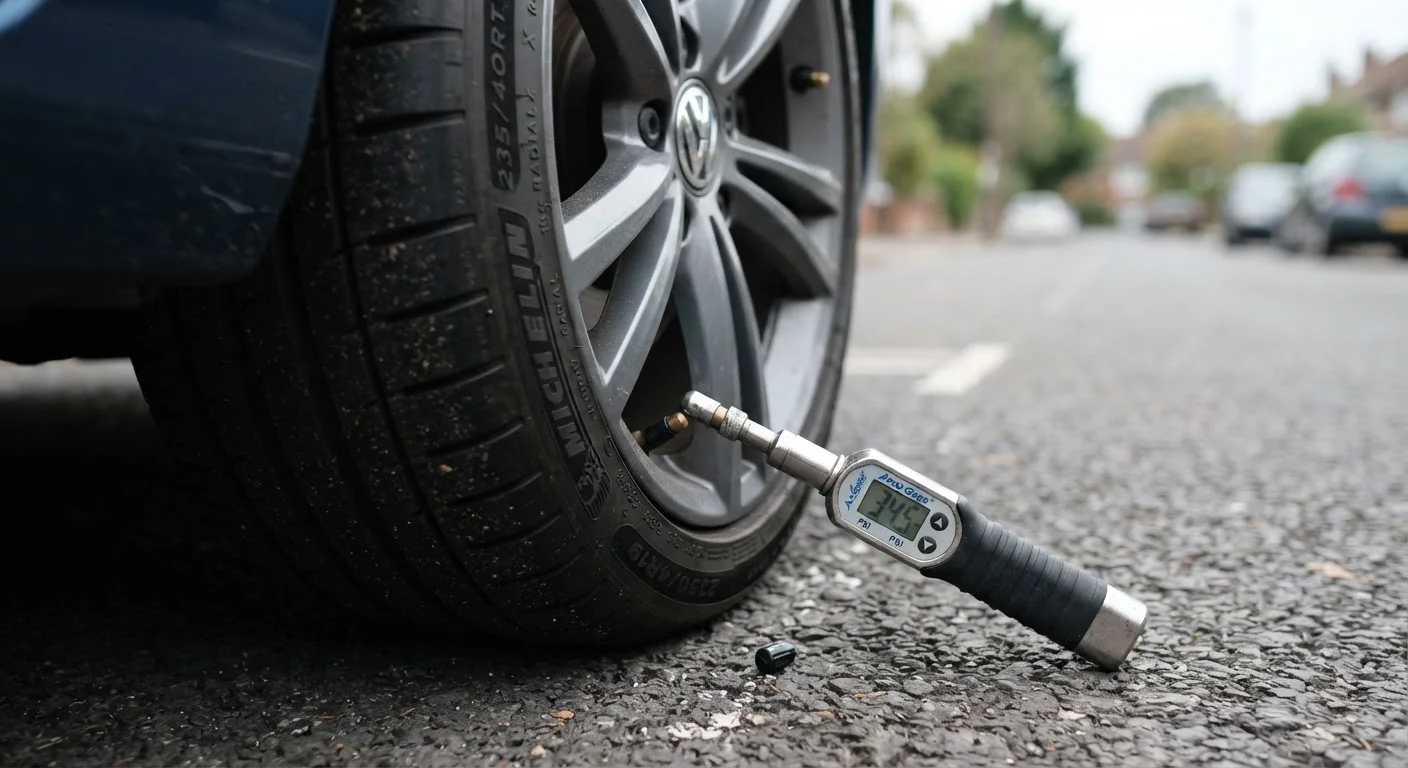
Why Tyres Are One of the Highest-Leverage Items in Your Car Budget
Tyres sit at the intersection of safety, fuel economy, and long-term cost — which makes them unusually important for budget-conscious drivers. A set of replacement tyres can easily run $400–$800 or more, and that number climbs quickly if poor maintenance causes early wear. The good news is that most tyre-related costs are largely preventable with habits that take minutes each month.
According to the U.S. Department of Energy, keeping tyres properly inflated can improve gas mileage by up to 3% — a modest figure that compounds meaningfully over thousands of miles. Pair that with rotation and alignment, and you're protecting both your fuel budget and your tyre investment simultaneously. For a broader look at how maintenance costs can sneak up on you, see why maintenance costs catch so many car owners off guard.
The Core Tyre Care Practices That Actually Move the Needle
Not all maintenance tasks are created equal. The four practices below have the clearest, most documented impact on both tyre lifespan and monthly running costs. None require special skills or expensive tools.
Check tyre pressure at least once a month and before any long trip.
Tyres naturally lose 1–2 PSI per month just through normal permeation, and temperature drops accelerate that loss. Under-inflated tyres create more rolling resistance, which forces your engine to work harder and burn more fuel. The U.S. Department of Energy estimates that every 1 PSI drop across all four tyres can lower fuel economy by about 0.2%.
Rotate your tyres every 5,000 to 8,000 miles.
Front tyres carry more of the braking and steering load, so they wear faster and less evenly than rear tyres. Rotating them regularly balances wear across all four tyres, extending the usable life of the full set. Skipping rotation can mean replacing two tyres prematurely instead of all four on a natural schedule.
Have your wheel alignment checked once a year or after any significant road impact.
Misaligned wheels cause tyres to scrub against the road at a slight angle rather than rolling cleanly. This accelerates tread wear on the inner or outer edges and increases rolling resistance. A single pothole impact can knock alignment off enough to noticeably shorten tyre life.
Inspect tread depth and look for uneven wear patterns monthly.
Worn or unevenly worn tyres are a safety risk, but they also signal that something else — alignment, inflation, or suspension — may be causing accelerated damage. Catching a wear problem early gives you time to address the root cause before it destroys a tyre prematurely.
Keep valve stem caps on at all times.
Valve stems are small but critical — they're the only barrier preventing dust, dirt, and moisture from entering and damaging the valve core. A damaged valve core can cause slow leaks that are hard to detect until the tyre is noticeably low. Replacement caps cost very little and take seconds to install.
These habits also connect directly to fuel savings. If you want to go further, tyre pressure, engine oil, and other maintenance checks that protect your fuel economy walks through a practical checklist of upkeep tasks that protect your gas mileage over time.
Quick Actions You Can Take This Week
The gap between knowing and doing is where most car budgets leak money. The following actions are low-effort, low-cost, and produce real results. Start with one today.
For a wider picture of how driving behavior itself affects running costs, driving habits that stretch every litre of fuel further covers smooth-driving techniques that reduce how often you fill the tank. And if you're curious about the overlooked habits that quietly inflate maintenance bills, lesser-known ways drivers quietly run up their maintenance bills is worth a read.
This article is for general informational purposes only and does not constitute personalised financial or mechanical advice. Tyre care requirements vary by vehicle — always consult your owner's manual and a qualified mechanic for guidance specific to your situation.
The content provided on our blog site traverses numerous categories, offering readers valuable and practical information. Readers can use the editorial team’s research and data to gain more insights into their topics of interest. However, they are requested not to treat the articles as conclusive. The website team cannot be held responsible for differences in data or inaccuracies found across other platforms. Please also note that the site might also miss out on various schemes and offers available that the readers may find more beneficial than the ones we cover.