

Our Verdict
A black box policy can genuinely cut costs for drivers who rack up low mileage, avoid late-night driving, and brake smoothly — the profile that traditional insurers penalise simply for being young. That said, it's not a fit for everyone. If your job involves irregular hours, long motorway commutes, or you're uncomfortable with ongoing data collection, the restrictions and privacy implications may outweigh the savings.
Best suited to new or young drivers with predictable schedules and low annual mileage who want to demonstrate safe driving and reduce a high starting premium.
What Is a Black Box Policy?
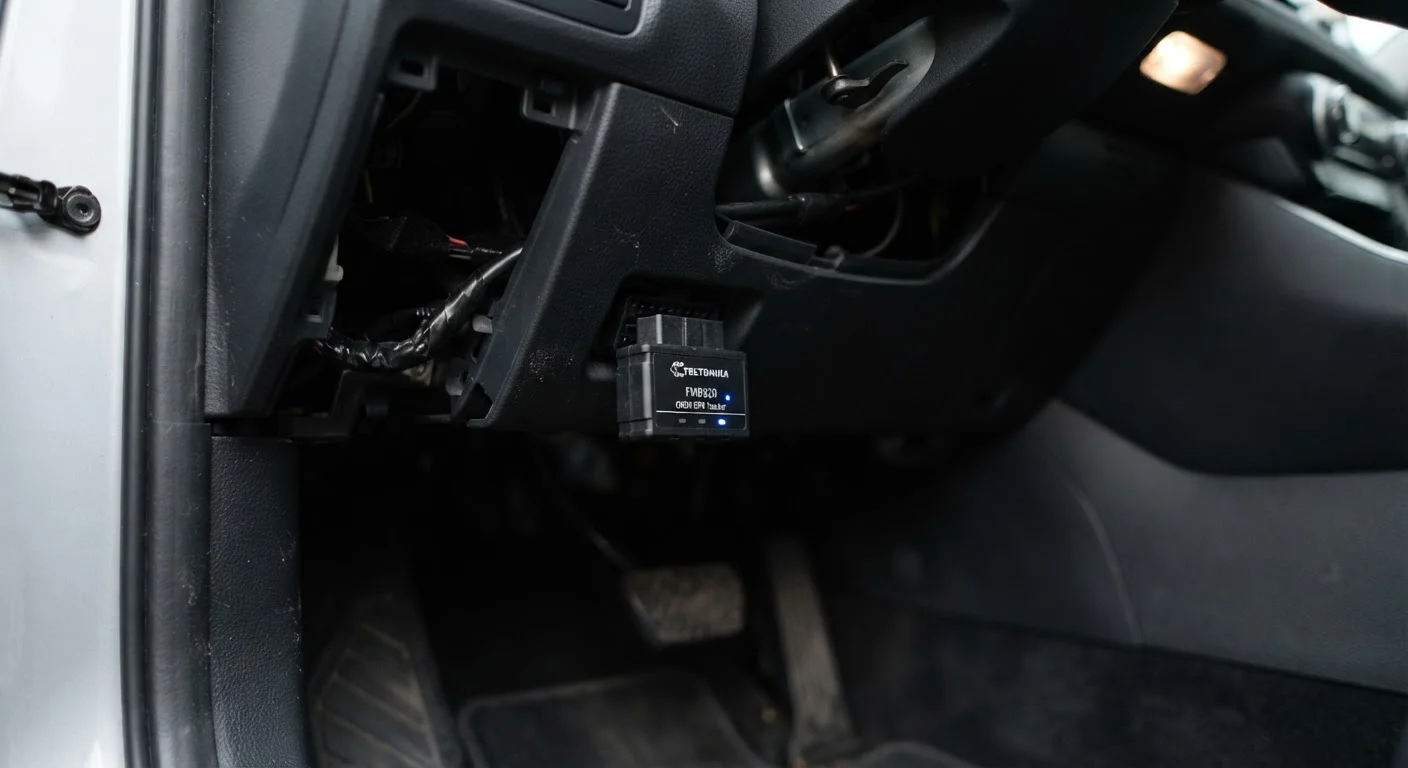
A black box policy — sometimes called telematics insurance — uses a small device fitted to your car, or a smartphone app, to record how you drive. Insurers track data points like speed, acceleration, braking sharpness, cornering, and what time of day or night you're on the road. That data feeds into a driving score, which can influence your premium mid-policy or at renewal.
The concept exists because traditional car insurance prices young drivers almost entirely on statistics: as a group, drivers under 25 have higher claim rates, so everyone in that bracket pays more regardless of individual behavior. Telematics tries to break that link by letting your actual driving record speak for you. For a fuller breakdown of how these products are structured, see how usage-based insurance actually works.
The Genuine Advantages
The case for a black box policy is strongest when the alternative is a prohibitively expensive standard quote.
Lower starting premiums for young drivers
Young drivers typically face some of the highest standard premiums in the market. A telematics policy gives insurers actual driving data to work with, which can translate into meaningfully lower quotes for those who demonstrate safe habits.
Rewards smooth, low-risk driving behaviour
Smooth acceleration, gentle braking, and avoiding high-risk hours all contribute to a better score. Drivers who naturally drive this way can see ongoing discounts that a standard policy simply wouldn't offer.
Can reduce premium at renewal with a strong score
A good year on telematics can lead to a cheaper renewal quote, creating a track record that works in your favour even if you later switch to a conventional policy.
Encourages habits that also reduce fuel costs
Smooth driving that earns telematics points also improves fuel efficiency — a double benefit for anyone trying to keep total running costs down.
Provides objective data in the event of a dispute
If you're involved in an incident, telematics data can establish your speed, location, and braking pattern at the time — which may support your account of events.
~40%
Potential premium reduction for safe young drivers
According to the Association of British Insurers, telematics policyholders have reported discounts of up to 40% compared to standard quotes, though individual results vary widely.
1 in 3
New UK drivers now choosing telematics cover
Industry data from the British Insurance Brokers' Association indicates roughly one in three newly licensed drivers in the UK opts for some form of telematics policy.
Beyond the upfront cost, safe-driving discounts at renewal can compound over time, making each successive policy year cheaper — provided your score holds up. It can also act as a forcing function: knowing you're being monitored encourages habits (smoother braking, staying within limits) that reduce wear on the car and improve fuel economy. Those habits feed directly into the kind of cost savings covered in managing both fuel and insurance costs.
The Real Trade-Offs
No product is straightforwardly good news, and black box policies come with restrictions that can genuinely affect daily life.
Night-time curfews can restrict your lifestyle
Many telematics policies score late-night driving (commonly midnight to 5 a.m.) much more harshly, and some apply outright restrictions. This can be a real problem for anyone with shift work or an active social life.
Mileage caps can trigger extra charges
Some policies set an annual mileage limit, and exceeding it can result in additional charges mid-policy or at renewal. Underestimating your mileage at the outset is a common and costly mistake.
Continuous data collection raises privacy questions
The insurer builds an ongoing record of your journeys, including times and locations. Policies differ on how long this data is retained and under what circumstances it can be accessed or shared.
A bad score can increase your premium mid-term
Unlike a standard policy where your premium is fixed for 12 months, some telematics products allow the insurer to adjust pricing during the policy year if your score deteriorates.
Device installation can be inconvenient or intrusive
Fitted black box devices require a professional installation appointment, and in some cases can affect resale perception. App-based alternatives sidestep this but require a charged phone on every journey.
Privacy is the concern most readers raise first, and it's a fair one. The insurer is collecting a continuous record of where and when you drive. Understanding what data is retained, how long it's kept, and whether it can be shared — including in a claim dispute — matters. Read the policy documents carefully before signing, and consider speaking with a licensed insurance adviser if you're uncertain about any terms.
It's also worth noting that a telematics policy doesn't change the underlying cover you're buying. You still need to understand what comprehensive versus third-party cover actually protects, which is explained in the real difference between comprehensive and third-party insurance.
Is the Saving Worth It for You?
The honest answer depends on your driving pattern. If you commute during standard hours, drive modest annual mileage, and rarely need to travel between midnight and 5 a.m., a telematics policy is likely to work in your favour. If your schedule is irregular — shift work, frequent long-distance trips, or night-time social driving — the curfew penalties and mileage caps can erode any savings quickly.
Before committing, get a standard quote alongside any telematics quote so you have a genuine baseline for comparison. Also check what happens if your score drops: some insurers increase your premium mid-term, which is a material financial risk if your circumstances change.
For a broader view of the variables that affect your premium — including factors you can influence over time — see factors within your control that influence insurance premiums. And if you're still working through the fundamentals of what coverage you actually need, car insurance on a tight budget is a solid starting point.
This article is for general informational purposes only and does not constitute personalised insurance, financial, or legal advice. Coverage terms, data practices, and pricing vary by provider. Always read your policy documents in full and consult a licensed insurance professional for guidance specific to your situation.
The content provided on our blog site traverses numerous categories, offering readers valuable and practical information. Readers can use the editorial team’s research and data to gain more insights into their topics of interest. However, they are requested not to treat the articles as conclusive. The website team cannot be held responsible for differences in data or inaccuracies found across other platforms. Please also note that the site might also miss out on various schemes and offers available that the readers may find more beneficial than the ones we cover.