

The Real Cost of Cutting Corners
Budget-conscious drivers face a genuine tension: car running costs are unavoidable, but money is tight. The instinct to delay or skip maintenance is understandable — until you see the repair bill that results from it. A skipped oil change can lead to engine wear that costs hundreds. An ignored tyre with low pressure increases fuel consumption and shortens tyre life simultaneously.
The goal isn't to spend less on everything — it's to spend wisely. That means understanding which costs are genuinely optional and which ones protect you from much larger bills down the road. Our guide to maintenance priorities on a budget breaks down exactly which tasks you can safely defer and which you really can't.
This article focuses on practical habits that keep costs down without trading away safety or reliability.
Best Practices for Keeping Running Costs Low
The practices below are grounded in standard automotive guidance. None require specialist tools or mechanical expertise — just consistency.
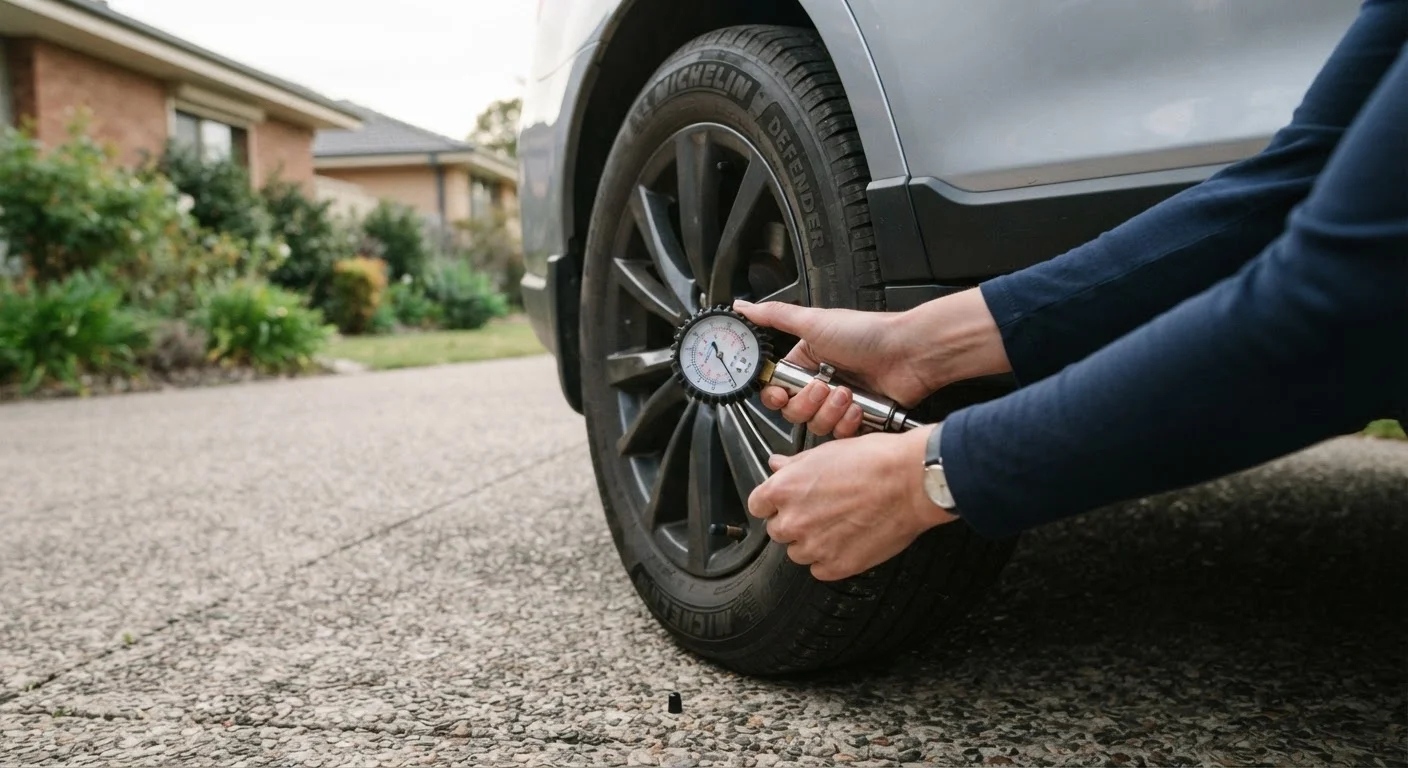
Check tyre pressure at least once a month and before long journeys.
Under-inflated tyres increase rolling resistance, which raises fuel consumption and causes uneven tread wear. According to the U.S. Department of Energy, keeping tyres properly inflated can improve fuel economy by up to 3%. It also reduces the risk of blowouts — a genuine safety concern at higher speeds.
Follow your vehicle's service intervals — don't extend them to save money.
Service intervals are set by manufacturers based on engineering data, not upselling targets. Skipping or delaying scheduled oil changes, filter replacements, and fluid checks puts cumulative stress on components that are cheaper to maintain than replace. Deferred servicing is one of the most common causes of avoidable engine and transmission damage.
Act on dashboard warning lights promptly — don't wait to see if they go away.
Warning lights are the car's early-detection system. A low oil pressure light or coolant temperature warning left unaddressed can cause catastrophic engine damage within minutes of driving. Even lower-urgency lights, such as a tire pressure monitoring system alert, can escalate into safety hazards if ignored over time.
Review your insurance cover annually — not just when it renews automatically.
Auto-renewal often means paying last year's rate without checking whether your circumstances still match your cover level. Your car's age and value, your annual mileage, and your claims history all affect what level of cover makes financial sense. Overpaying for cover you don't need is a common and avoidable expense.
Don't ignore fluid levels between services.
Engine oil, coolant, brake fluid, and power steering fluid all degrade or deplete between scheduled services. Running low on any of them puts components under stress. Checking them takes minutes and costs nothing — but catching a slow coolant leak early, for example, can prevent an overheating event that damages the head gasket.
For a broader look at where your money is actually going each year, the annual car ownership audit is a useful starting point.
Start Here: Quick Actions With Real Impact
If you're not sure where to begin, these actions require almost no time or money — but they compound into meaningful savings over months and years.
Driving style also plays a larger role than most people expect. Harsh braking, aggressive acceleration, and frequent short trips all accelerate component wear. See how driving habits directly affect repair costs for a closer look at the numbers.
This article provides general information about vehicle maintenance and running costs. It is not a substitute for advice from a qualified mechanic. Always consult a licensed professional for decisions specific to your vehicle's condition and safety.
The content provided on our blog site traverses numerous categories, offering readers valuable and practical information. Readers can use the editorial team’s research and data to gain more insights into their topics of interest. However, they are requested not to treat the articles as conclusive. The website team cannot be held responsible for differences in data or inaccuracies found across other platforms. Please also note that the site might also miss out on various schemes and offers available that the readers may find more beneficial than the ones we cover.