

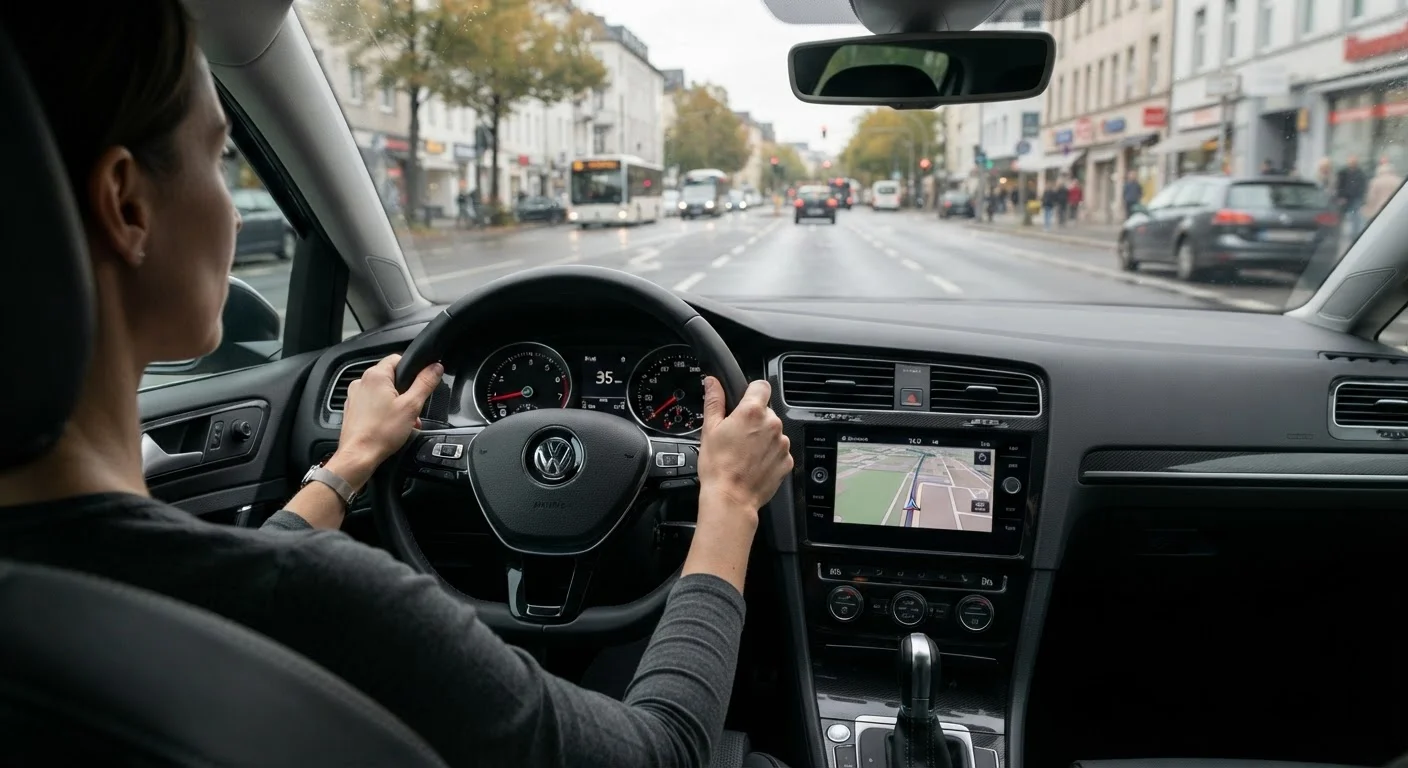
Why Your Foot on the Pedal Is a Financial Decision
Most people think about car repair costs as random events — the brake pads just wear out, the tires just need replacing. In reality, the timing of those expenses is largely determined by how you drive. Every time you stomp on the gas or brake at the last second, you're shaving time off the life of a component you'll eventually pay to replace.
This isn't about driving like a robot. It's about understanding the connection between your habits and your bills, so you can make small adjustments that add up to real savings. As the AAA has noted in its annual cost-of-ownership studies, maintenance and repair are among the most controllable variables in the total cost of owning a car — and driving behavior sits at the center of that control.
Routine maintenance costs catch many owners off guard, but the habits explored here accelerate those costs beyond what careful drivers typically face.
50,000+
Miles brake pads can last with gentle driving
Industry mechanics and brake manufacturers commonly cite this range for drivers who brake progressively, versus as few as 20,000 miles for habitual hard brakers.
$1,500–$3,500
Typical automatic transmission repair cost
RepairPal and similar automotive repair databases report this range for transmission overhauls, underscoring the cost of stress caused by repeated aggressive acceleration.
Up to 40%
Fuel economy reduction from aggressive driving
The U.S. Department of Energy estimates aggressive driving — rapid acceleration and hard braking — can lower fuel economy by 15–40% compared to calm, steady driving.
Hard Braking: The Fastest Way to Run Up Your Brake Bill
Brake pads are a consumable — they're supposed to wear down. But how fast they wear is almost entirely up to you. Drivers who habitually brake late and hard can go through a set of pads in as few as 20,000 miles. Drivers who brake progressively and anticipate stops well in advance regularly get 50,000 miles or more from the same pads.
The difference in cost is significant. A full brake job — pads and rotors — can run anywhere from $200 to over $500 depending on the vehicle. Hard braking also generates excess heat, which warps rotors over time. A warped rotor means the job costs more when it comes due.
The fix is straightforward: increase your following distance, watch traffic further ahead, and start slowing earlier. These aren't advanced techniques — they're habits that pay for themselves quickly. The smart ownership habits that reduce costs covered in our related guide reinforce exactly this kind of proactive approach.
Aggressive Acceleration and What It Costs the Rest of the Car
Hard acceleration isn't just a fuel efficiency problem — though it is that too (see our piece on driving habits that stretch every tank further). It also puts disproportionate stress on your transmission, CV joints, wheel bearings, and tires all at once.
Automatic transmissions manage gear changes based on throttle input. Flooring the accelerator repeatedly causes the transmission to downshift sharply and operate at higher temperatures. Heat is the primary enemy of transmission fluid and the clutch packs inside an automatic. Transmission repairs are among the most expensive jobs a shop will quote you — often $1,500 to $3,500 or more.
Tires feel the impact too. Spinning the tires from a stop, even briefly, abrades the contact patch. That adds up across thousands of starts and can mean replacing tires significantly earlier than the mileage warranty would suggest.
Short Trips: The Quiet Engine Killer
If most of your driving is under five miles at a time, your engine is working under conditions it was never quite designed to handle as a steady diet. A cold engine runs richer (more fuel relative to air), and combustion byproducts — water vapor, unburned fuel, acids — end up in the oil. On a long enough trip, the engine reaches full operating temperature and those contaminants burn off. On a short trip, they stay in the oil.
Over time, this contaminates the oil faster than the standard change interval assumes, increases internal wear on cylinder walls and bearings, and can contribute to sludge buildup. This is one reason why manufacturers often list a "severe duty" oil change interval — typically shorter than the standard recommendation — that applies specifically to frequent short-trip drivers.
If short trips are unavoidable, changing your oil more frequently is one of the most cost-effective protective measures available. Our article on why skipping oil changes costs more than the oil change itself lays out exactly what happens when this step gets delayed.
Short-Trip Driver? Adjust Your Oil Interval
If most of your driving is under five miles, check your owner's manual for the 'severe duty' oil change schedule — it's designed for exactly this pattern. Following it protects your engine against the faster contamination that short trips cause, and is far cheaper than the engine wear it prevents.
Building Habits That Cost You Less Over Time
The goal isn't perfection — it's awareness. Drivers who understand which behaviors accelerate wear can make deliberate choices that reduce their long-term repair spending without any special tools or technical knowledge.
Start with the highest-impact changes: increase following distance to brake less harshly, accelerate smoothly from stops, and if you drive mostly short distances, consider combining errands into fewer, longer trips where possible. These adjustments cost nothing to implement.
For a deeper look at which maintenance tasks matter most when money is tight, see our guide on car maintenance on a budget. And if you want to spot the less obvious habits that quietly inflate repair bills, lesser-known ways drivers run up maintenance bills is worth a read.
This article is for general informational purposes only and does not constitute personalized financial, mechanical, or safety advice. Consult a qualified mechanic for guidance specific to your vehicle.
Frequently Asked Questions
Yes, measurably so. Hard braking and rapid acceleration put components under stress levels far beyond normal use, accelerating wear on brakes, tires, and drivetrain parts. Over several years, the difference in repair spending between aggressive and smooth drivers can run into hundreds of dollars.
Short trips — typically under five miles — are harder on engines than longer ones. The engine doesn't fully reach operating temperature, which means moisture and combustion byproducts don't burn off from the oil. This leads to faster oil contamination and increased engine wear over time.
Riding the brakes — applying light, continuous pressure rather than braking deliberately — generates heat that degrades brake pad material and warps rotors. Hard, late braking from high speeds also dramatically shortens pad and rotor life compared to smooth, progressive braking.
Absolutely. Hard acceleration causes tire spin and surface abrasion, while sharp cornering at speed scrubs rubber off the tire's sidewall and tread. Both behaviors can cut tire life by thousands of miles, which adds up to a meaningful cost difference at replacement time.
Modern fuel-injected engines cut fuel delivery entirely when you lift off the throttle in gear, making engine braking both fuel-efficient and mechanically gentle. Coasting in neutral keeps the engine idling and using fuel, and can reduce your ability to accelerate quickly if needed. For most drivers, staying in gear is the better habit.
Some effects are almost immediate — smoother braking extends pad life from the next drive onward. Fuel consumption improvements can show up within a single tank. Longer-term savings on engine and transmission wear accumulate over months and years of consistent, calmer driving.
The content provided on our blog site traverses numerous categories, offering readers valuable and practical information. Readers can use the editorial team’s research and data to gain more insights into their topics of interest. However, they are requested not to treat the articles as conclusive. The website team cannot be held responsible for differences in data or inaccuracies found across other platforms. Please also note that the site might also miss out on various schemes and offers available that the readers may find more beneficial than the ones we cover.