

Why Prioritising Maintenance Matters on a Tight Budget
Car maintenance isn't one-size-fits-all, and when money is tight, treating every service item as equally urgent is a fast track to unnecessary spending. The key is understanding which tasks directly prevent expensive mechanical failures and which ones follow more flexible timelines.
According to AAA, the average American spends over $1,200 a year on vehicle maintenance and repairs — a figure that climbs sharply when routine upkeep is skipped. The relationship between maintenance and cost works in both directions: spending a little now on the right things prevents spending a lot later on the wrong things. That's the logic budget-conscious drivers need to internalise.
This guide breaks down car maintenance into what actually matters for reliability and safety, what can wait without real risk, and how to handle as much as possible without paying for labour you don't need. For a broader look at how ownership habits affect your wallet, see our guide on keeping running costs low without cutting corners on safety.
This article provides general automotive information for educational purposes. It is not a substitute for advice from a qualified mechanic about your specific vehicle.
The Non-Negotiables: Maintenance You Should Never Skip
Some maintenance items are genuinely load-bearing for your car's reliability. Skipping them doesn't just risk a breakdown — it risks damage that costs ten times more to repair than the service you skipped.
Engine Oil and Filter
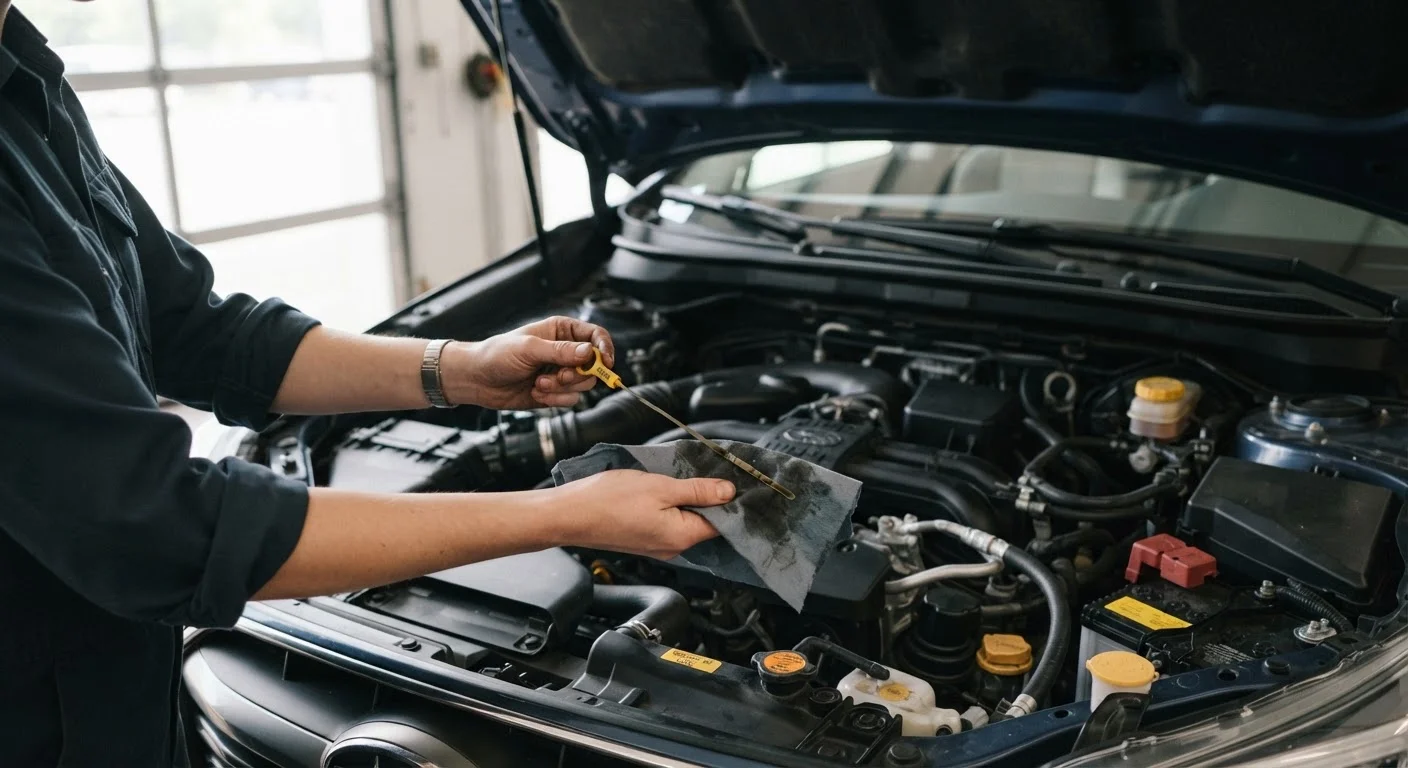
This is the single most important maintenance task on any vehicle. Oil lubricates the engine's moving parts; when it degrades or runs low, metal grinds against metal. The result can be a seized engine — a repair that often costs more than the car is worth. Most modern vehicles running synthetic oil can go 7,500–10,000 miles between changes, not the old 3,000-mile rule. Check your owner's manual for the actual interval. For a clear look at what happens when this gets deferred, read why skipping oil changes costs more than the oil change itself.
Tyre Pressure and Condition
Under-inflated tyres wear unevenly, reduce fuel economy, and increase blowout risk. Checking tyre pressure takes two minutes and costs nothing if you use a gas station air pump. The correct pressure is on a sticker inside your driver's door jamb — not on the tyre sidewall. Inspect tread depth at the same time; the penny test (insert a penny into the tread groove — if you can see Lincoln's full head, it's time to replace) gives you a quick read.
Brakes
Brake pad replacement typically costs $150–$300 per axle. Waiting until the rotors are damaged by worn-out pads can push that figure to $500–$800. Squealing on application is a warning; grinding means the pads are already gone. Don't defer this one.
Coolant Level
An engine that overheats can warp the cylinder head — a repair that routinely runs $1,500 or more. Checking coolant takes 30 seconds with a cold engine. See our guide to fluid checks that prevent the most expensive engine damage for a full overview of what to look for.
Brake and Tyre Issues Are Safety-Critical
Unlike most maintenance, worn brakes and unsafe tyres don't just risk a repair bill — they risk an accident. If your brake pedal feels soft, you hear grinding, or your tyres are below the legal tread depth minimum (2/32" in most U.S. states), these need to be addressed immediately. Do not defer safety-critical items regardless of budget pressure.
What Can Safely Wait (And for How Long)
Not everything on a dealer's service menu needs to happen on the schedule they recommend. Some items are genuinely flexible, and understanding which ones can help you spread costs without risking your car's reliability.
- Cabin air filter: Dealers often recommend replacing this every 15,000 miles, but in typical driving conditions it can go 20,000–25,000 miles. A dirty cabin filter hurts air quality and HVAC performance, but it won't break your engine. It's also one of the easiest DIY swaps — see maintenance tasks you can genuinely do at home.
- Engine air filter: Similar story — check it at each oil change and replace when visibly dirty, not on a fixed mileage clock.
- Wiper blades: Replace when streaking becomes a visibility issue, typically once a year. This isn't safety-critical until your wipers genuinely fail in rain.
- Spark plugs (iridium/platinum): Modern long-life plugs are rated for 60,000–100,000 miles. If your car runs well and passes emissions, these can wait until the interval your manual specifies.
Be cautious about advice that doesn't match your owner's manual. For a look at common service myths that cost drivers money, visit our article on car maintenance myths draining drivers' wallets.
Simple Checks You Can Do Yourself for Free
A surprising amount of car maintenance is really just monitoring — and monitoring costs nothing. Building a monthly habit around a few basic checks catches problems before they require a shop visit.
- Oil level: Check with the dipstick every month or before a long trip. Low oil between changes can indicate a leak or burning issue worth investigating early.
- Tyre pressure: Check monthly and before any highway trip. A tyre that's 10 PSI low increases fuel consumption and wear.
- All lights: Walk around the car once a month. A burned-out brake light is a traffic stop and a safety hazard.
- Windshield washer fluid: Top it up yourself — the markup at a shop for this task is significant.
If a dashboard warning light comes on, don't ignore it hoping it resolves on its own. Our article on reading your car's warning lights before they become expensive explains what the common ones mean and how urgently to act.
Pull up your owner's manual and cross-reference every service item on a shop's quote against the manufacturer's recommended interval — not the shop's recommendation. You'll often find you're being sold services 10,000–20,000 miles ahead of when they're actually due.
Service intervals specified by manufacturers are based on engineering data for that engine and drivetrain. A shop's schedule is set by the shop, and it doesn't always match the car's actual needs.
Before any service appointment, write down every symptom your car has shown — sounds, smells, warning lights, handling changes — and hand the list to the service writer. This focuses the diagnostic on real problems rather than speculative add-ons.
Mechanics diagnose faster and more accurately with specific symptom information, which reduces labour time and the likelihood of unnecessary repairs being recommended.
Making the Most of Your Maintenance Budget
Once you know what matters, the next step is spending on it efficiently.
Know What You've Already Had Done
Duplicate maintenance is a genuine drain — paying for a coolant flush that was completed 8,000 miles ago because you didn't have a record of it. A simple spreadsheet or even a notes app log of every service with the mileage and date prevents this. Our guide to keeping track of your car's service history has a simple system you can start today.
Understand What Service Levels Cover
Many drivers don't know the difference between an interim and a full annual service, which makes it easy to overpay or underpay. See annual service vs. interim service explained for a plain-language breakdown.
Know Which Jobs Are Worth DIYing
Some tasks — air filter swaps, wiper replacements, bulb changes — genuinely require no specialist tools and take under 20 minutes. Others, like brake work or timing belt replacement, carry real risk if done incorrectly. Our DIY vs. mechanic guide draws that line clearly.
Think About Parts Carefully
Aftermarket parts can cut costs on non-critical components, but the right choice depends on the part and your vehicle. Our genuine vs. aftermarket parts guide walks through where the trade-offs are worth it and where they aren't.
Budget-conscious car ownership isn't about skipping maintenance — it's about spending on the right things in the right order. Prioritise the tasks that prevent the failures you can't afford, handle what you can yourself, and track everything so you never pay twice.
The content provided on our blog site traverses numerous categories, offering readers valuable and practical information. Readers can use the editorial team’s research and data to gain more insights into their topics of interest. However, they are requested not to treat the articles as conclusive. The website team cannot be held responsible for differences in data or inaccuracies found across other platforms. Please also note that the site might also miss out on various schemes and offers available that the readers may find more beneficial than the ones we cover.