

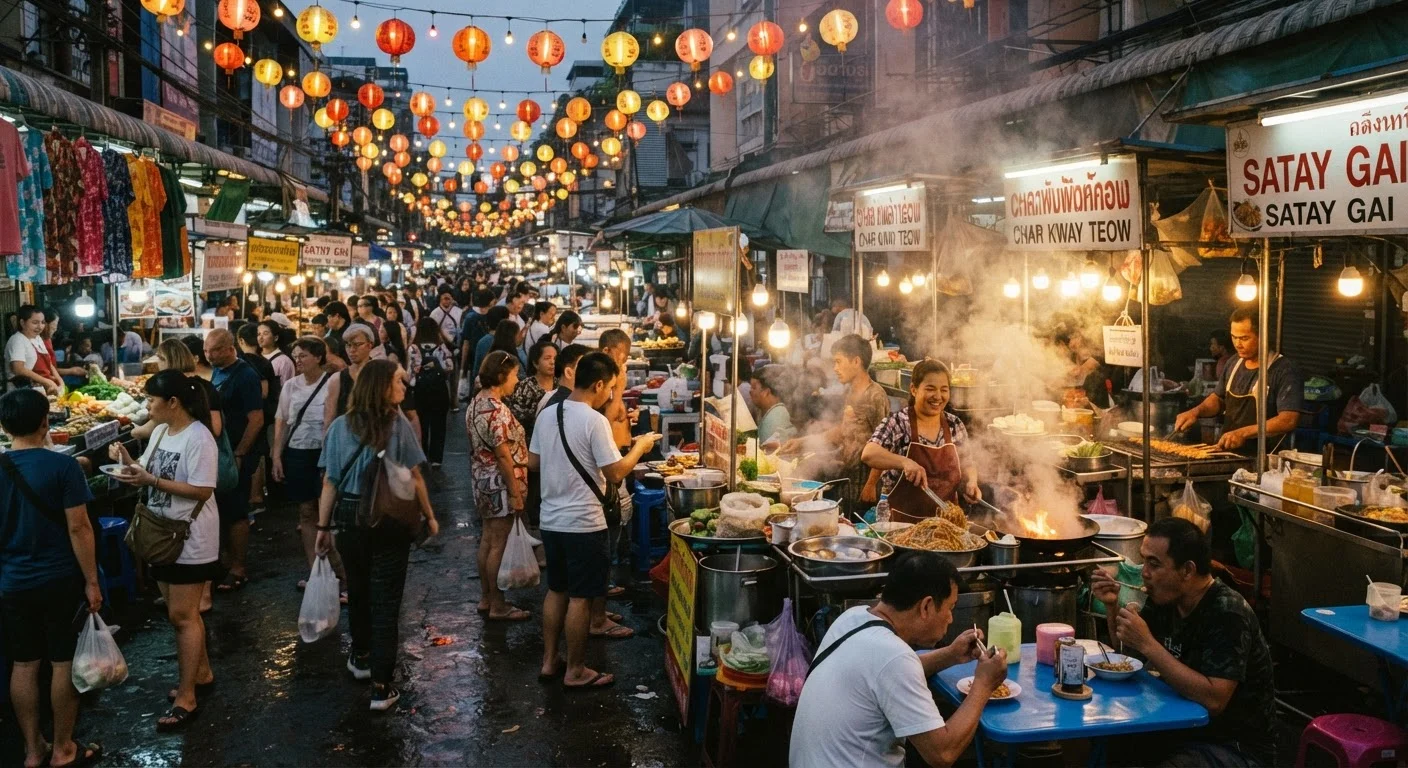
What 'Budget Travel' Actually Means in This Region
Southeast Asia has a reputation as a budget paradise, and that reputation is mostly earned — but it needs context. The region spans eleven countries with dramatically different cost levels, infrastructure, and tourism development. Treating it as a monolithic cheap destination leads to blown budgets and misplaced expectations.
The core logic of shoestring travel here is simple: eat local, sleep basic, move like a local. A bowl of pho at a sidewalk stall in Hanoi costs under $2. A shared minibus from Siem Reap to Phnom Penh costs a few dollars. A fan-cooled guesthouse room in rural Laos can run $8–$12 a night. Stack those choices across a day and $25–$35 covers you comfortably in the region's lower-cost countries.
What breaks budgets are the tourist-track premiums: beachfront bungalows in Koh Samui, day-trip boat tours, rooftop bars in Bangkok, or visa runs with private taxis. These aren't inherently wrong choices — but they're not shoestring travel. For a broader reference on daily costs across regions, see the average daily travel costs by region guide.
$25–$35
Realistic daily budget in Vietnam or Cambodia
Based on general independent traveler cost ranges covering accommodation, food, and local transport in budget conditions.
$1.50–$3
Typical cost of a street food meal
Reflects common hawker stall and market pricing across lower-cost Southeast Asian countries like Vietnam, Laos, and Cambodia.
~40%
Potential cost reduction off tourist trail
Traveler-reported estimates suggest stepping one town away from major tourist hubs can reduce daily costs significantly, though individual results vary.
Country-by-Country Cost Reality Check
Vietnam remains one of the strongest value propositions in the region. Street food is abundant and exceptional — a full meal rarely exceeds $3. Guesthouses in smaller cities like Hoi An or Da Lat often cost $12–$18 for a private room. The 1,700-mile north-to-south distance is served by a national rail network with affordable sleeper berths.
Cambodia is similarly accessible. Siem Reap, the base for Angkor Wat, has a well-developed backpacker infrastructure. The US dollar is widely accepted alongside the riel, which simplifies budgeting for American travelers. Budget $25–$40 per day for a comfortable shoestring experience.
Thailand is more varied. Bangkok has hostels and street food that reward budget travelers, but it also has tourist pricing in full effect. Northern Thailand — Chiang Mai, Pai, Mae Hong Son — offers genuinely lower costs. Southern island destinations are where budgets erode fastest.
Laos is underrated and undervisited, which translates to lower prices and fewer tourist surcharges. Vientiane and Luang Prabang are manageable on $30–$40 daily. The pace is slower, which some travelers find itself to be a perk.
Indonesia is vast. Bali's tourist zones have risen sharply in cost over recent years and no longer represent strong budget value in many areas. Java, Lombok, and Flores offer far better purchasing power for travelers willing to plan independently.
For context on how this region compares to other affordable destinations, the Eastern Europe vs. Southeast Asia comparison is worth reading before you commit to a region.
The Mechanics of Keeping Costs Low
Transport is often the most overlooked budget lever. Overnight buses and sleeper trains do double duty — they move you between cities while you sleep, cutting one night of accommodation. The Hanoi to Ho Chi Minh City train, for example, has soft-sleeper berths that offer both a bed and a cross-country journey for a fraction of a flight's cost.
Food decisions matter more than most travelers realize. Markets and hawker stalls aren't just cheaper than restaurants — they're often better. Comparing a $1.50 bánh mì to a $9 tourist-café sandwich illustrates that the budget option is frequently the culturally richer one, too.
Accommodation strategy: hostels with air conditioning in dormitory beds run $5–$10 across most of the region. Private budget guesthouses cost $12–$25. The premium for private space is modest — useful when you need real sleep before a long travel day.
Visa costs are real and vary. Vietnam, Thailand, Cambodia, and Indonesia all have different entry requirements for US passport holders, and fees change. Always verify current requirements directly with the relevant embassy or official government sources before booking flights.
If your budget travel philosophy extends beyond just saving money to spending it more thoughtfully, the guide on traveling affordably without exploiting local communities offers useful framing.
Where First-Time Budget Travelers Often Go Wrong
The biggest budget mistake in Southeast Asia is clustering on the well-worn tourist trail and then wondering why things aren't as cheap as expected. The backpacker circuit — Bangkok, Siem Reap, Hoi An, Bali — is heavily touristed, and prices reflect that. Stepping one town off the main route often cuts costs by 20–40% immediately.
Another common error: treating activities as free or negligible. Entrance to Angkor Wat is $37 per day. A snorkeling tour in the Thai islands can run $40–$80. A cooking class in Chiang Mai is typically $25–$40. These are valuable experiences, but budgeting for them specifically prevents the end-of-trip cash crisis.
Finally, exchange rates and ATM fees quietly drain funds. Withdrawing cash in large amounts from ATMs that charge fixed per-transaction fees is more efficient than multiple small withdrawals. Carrying a debit card with no foreign transaction fees makes a meaningful difference over a multi-week trip.
For travelers curious about other underrated destinations where a modest daily budget goes a long way, the roundup of countries where $40 a day goes surprisingly far surfaces some less-obvious options worth considering.
This article is for general informational purposes only. Prices, visa requirements, entry rules, and safety conditions change — always verify current details with official government sources and relevant embassies before traveling.
Frequently Asked Questions
It varies widely by country. Vietnam, Cambodia, and Laos are among the most affordable, with realistic daily budgets of $20–$35. Thailand and Indonesia hover around $30–$50 in most areas. Singapore and Bali's tourist zones cost considerably more. These are general ranges — your actual spending depends on accommodation type, eating habits, and activities.
Compared to the US, yes — purchasing power is generally much stronger across most of the region. However, popular tourist corridors have seen noticeable price increases over the past decade. Staying off the main backpacker trails and eating where locals eat still offers substantial savings over home-country costs.
Vietnam, Laos, and Cambodia consistently rank among the lowest-cost countries for independent travelers. Myanmar has historically been very affordable, but safety and political conditions mean travelers should check current government advisories before considering a visit.
In Vietnam, Cambodia, and parts of Thailand outside Bangkok or resort areas, $30 a day is achievable if you stay in budget guesthouses, eat street food, and use local transport. It requires deliberate choices but is realistic — not extreme sacrifice.
Yes. Visa fees, travel insurance, airport transfers, tourist entrance fees to temples and parks, and activity costs (diving, cooking classes, boat tours) add up quickly. Budget travelers should factor these in upfront rather than treating them as optional extras.
Overnight trains on routes like Hanoi–Ho Chi Minh City or Bangkok–Chiang Mai serve as both transport and accommodation, effectively eliminating one night's lodging cost. A sleeper berth typically costs less than a private guesthouse room, making it a practical budget tactic.
The content provided on our blog site traverses numerous categories, offering readers valuable and practical information. Readers can use the editorial team’s research and data to gain more insights into their topics of interest. However, they are requested not to treat the articles as conclusive. The website team cannot be held responsible for differences in data or inaccuracies found across other platforms. Please also note that the site might also miss out on various schemes and offers available that the readers may find more beneficial than the ones we cover.