

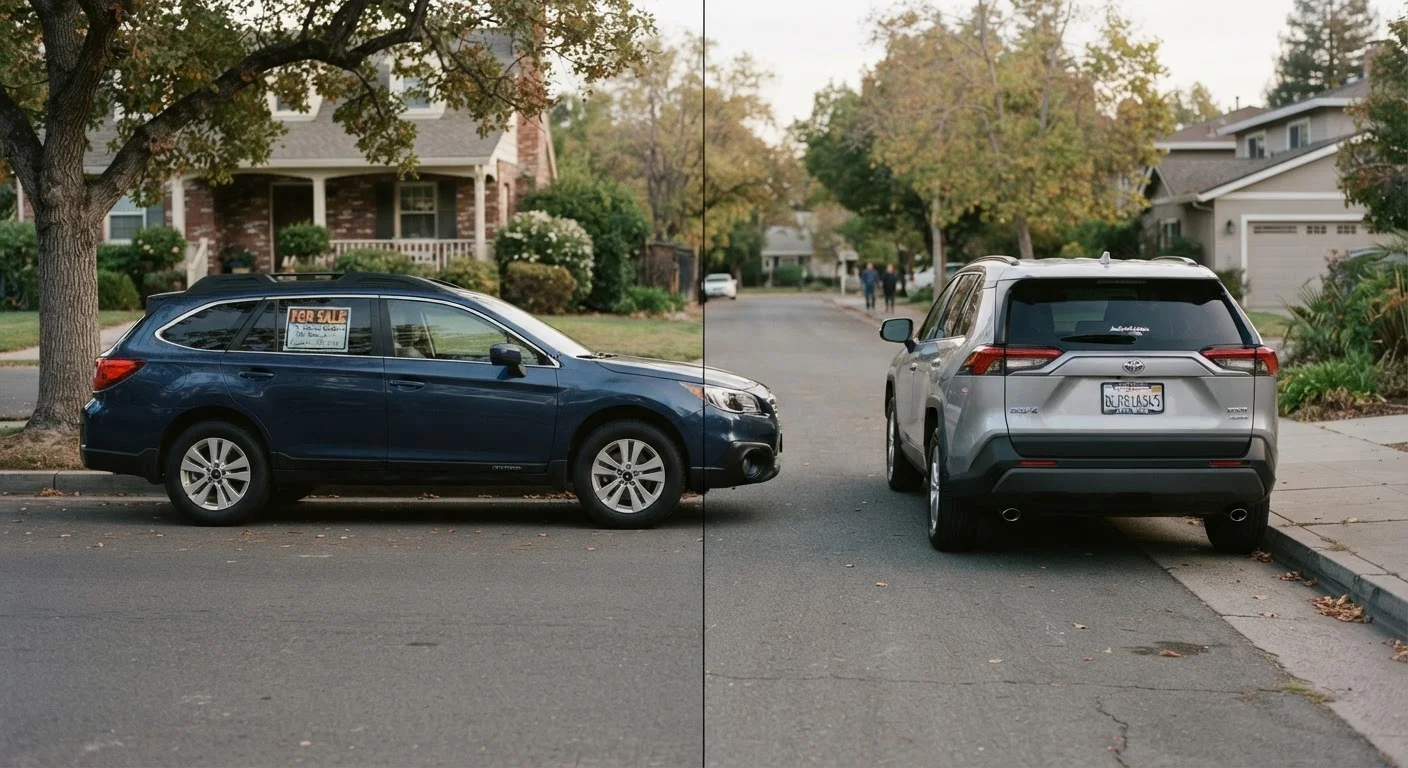
Option A
Buying (Owning) a Car
The long-game choice that builds equity over time.
Best for: Drivers who put on high mileage, want to modify their vehicle, or plan to keep a car for many years to reduce their cost-per-mile.
Option B
Leasing a Car
Lower monthly cost, but you never stop paying.
Best for: Drivers with predictable, lower annual mileage who want a newer vehicle with warranty coverage and prefer a fixed monthly expense.
What You're Actually Paying For in Each Scenario
The monthly payment is only the starting point. When you lease, you're essentially renting the car's depreciation for a set period — typically 24 to 36 months. When you buy with a loan, you're paying down the full purchase price plus interest. On paper, leasing wins the monthly payment contest almost every time. In practice, the total cost picture is more complicated.
For ownership, the expenses that catch budget-conscious drivers off guard include depreciation, insurance (often higher on financed vehicles due to lender requirements), and the unpredictable cost of repairs once a warranty expires. According to AAA's annual Your Driving Costs study, the average American driver pays over $10,000 per year to own and operate a new vehicle — a figure that includes depreciation, fuel, insurance, maintenance, and finance charges. See our breakdown of the true annual cost of owning a car for a full accounting of where those dollars go.
Leasing has its own hidden line items. Disposition fees (typically $300–$500) are charged at lease-end if you don't roll into another lease with the same brand. Excess wear-and-tear charges for dings, tire wear, or interior marks can add up fast. And if you need to exit a lease early, termination penalties are often steep.
| Criterion | Buying (Owning) | Leasing |
|---|---|---|
| Monthly payment | Higher (full price + interest) | Lower (depreciation only) |
| Ownership at end of term | Yes — asset with resale value | No — return or re-lease |
| Mileage limits | None | Typically 10,000–15,000/year |
| Maintenance responsibility | Fully yours after warranty | Routine only; major repairs often covered |
| Flexibility to sell or trade | Anytime | Early exit penalties apply |
| Depreciation risk | Absorbed by owner | Absorbed by leasing company |
| End-of-term fees | None | Disposition, wear-and-tear charges |
| Ability to modify vehicle | Yes | No — must return in original condition |
The Depreciation Factor: Why It Matters More Than You Think
Depreciation is the largest single cost of owning a new car, yet it's invisible on a monthly statement. A new vehicle can lose 15–25% of its value in the first year alone, according to data referenced by consumer automotive researchers. Over five years, many cars lose 50–60% of their original value.
When you lease, you're actually shielded from this risk — the residual value risk sits with the leasing company, not with you. If you own, you absorb that loss entirely. This is why buying used instead of new can dramatically change the depreciation math: the steepest drop has already happened before you purchase.
$10,000+
Average annual new-car ownership cost
AAA's annual 'Your Driving Costs' study estimates total new vehicle ownership — including depreciation, fuel, insurance, and maintenance — exceeds $10,000 per year for the average American driver.
15–25%
First-year depreciation on a new car
Consumer automotive data consistently shows new vehicles lose a significant portion of their value in the first 12 months, making the first year of ownership the most expensive in depreciation terms.
$0.15–$0.30
Per-mile overage charge on typical leases
Lease contracts generally specify a per-mile penalty for exceeding the agreed annual mileage limit; rates vary by lender and vehicle type.
If you're leaning toward ownership, building a realistic monthly budget that accounts for depreciation alongside your loan payment is essential. Our practical car ownership budget framework walks through exactly how to estimate these numbers before you commit.
Mileage, Flexibility, and the Lifestyle Fit
Leases are contracts built around assumptions about how you'll use the car. If your life changes — a new job with a longer commute, a cross-country move, a growing family — the lease may no longer fit, and getting out of one early is expensive. Ownership gives you flexibility: drive as many miles as you want, sell when it suits you, modify the vehicle if needed.
Mileage is the most concrete factor. If you drive 20,000 miles a year and a lease caps you at 12,000, you'd owe overage charges on 8,000 miles per year. At $0.20 per mile, that's $1,600 annually — which may negate the monthly payment savings entirely.
On the maintenance side, leased cars still require oil changes, tire rotations, and other routine service — those costs are yours regardless. Owning an older, higher-mileage vehicle introduces more unpredictable repair costs, something our guide on high-mileage vehicle trade-offs examines in detail. Smart ownership habits can reduce those costs significantly; keeping running costs low without cutting corners on safety covers practical ways to do that.
This article is for general informational purposes only and does not constitute personalized financial or legal advice. Your actual costs will vary based on your location, creditworthiness, vehicle choice, and individual circumstances. Consult a qualified financial adviser before making significant financial decisions.
The content provided on our blog site traverses numerous categories, offering readers valuable and practical information. Readers can use the editorial team’s research and data to gain more insights into their topics of interest. However, they are requested not to treat the articles as conclusive. The website team cannot be held responsible for differences in data or inaccuracies found across other platforms. Please also note that the site might also miss out on various schemes and offers available that the readers may find more beneficial than the ones we cover.