

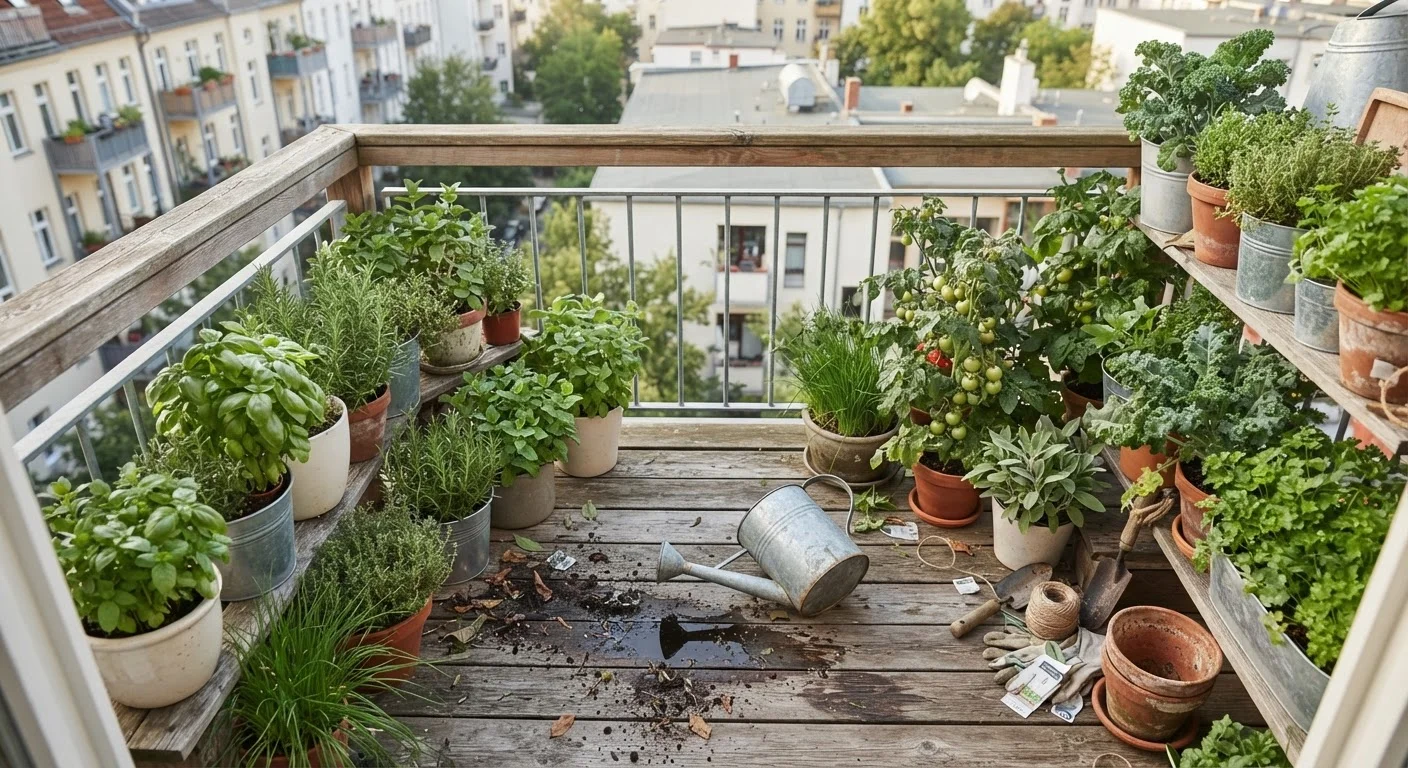
Why Watering Mistakes Are So Easy to Make
Gardening advice tends to focus on what to plant and where to plant it. Watering — the most repeated task in any garden — rarely gets the same attention. The result is that most beginners develop watering habits by instinct rather than knowledge, and those habits quietly undermine both plant health and household budgets.
The good news is that fixing these mistakes costs nothing. No special tools are required to water better — just a clearer understanding of what plants actually need versus what we assume they need. If you're also working to keep your broader budget in check, the same logic applies across domains: small, repeated habits compound into real costs, as explored in our look at grocery shopping habits that quietly drain your budget.
Your Water Bill Reflects Every Bad Habit
Inefficient watering doesn't just harm plants — it directly inflates your utility costs. Midday evaporation, runoff from hard surfaces, and watering on a rigid schedule regardless of recent rainfall can collectively waste hundreds of gallons per season. Tracking your outdoor water use separately using a sub-meter or a smart hose timer can help you see the real cost.
The Most Damaging Watering Habits — And How to Fix Them
The mistakes below are among the most common patterns seen in home gardens and container plantings. Each one is easy to slip into and, once recognised, equally easy to correct.
Watering on a fixed schedule regardless of actual soil conditions.
Why it happens: Beginners often treat watering like a calendar task — every Monday and Thursday, no matter what. It feels organised and responsible.
Watering in the middle of the day when sun and heat are at their peak.
Why it happens: Midday is often when people are home and notice their plants. It feels intuitive to water when the garden looks thirsty under the afternoon sun.
Applying small, shallow bursts of water too frequently.
Why it happens: Short, frequent watering sessions feel attentive and caring, but they only wet the top inch of soil, training roots to cluster near the surface.
Watering leaves and foliage instead of the soil at the base of the plant.
Why it happens: Overhead sprinklers and casual hose use are convenient, and many people assume the whole plant benefits from being wet.
Skipping mulch and leaving bare soil exposed between plants.
Why it happens: Mulching feels like an extra step, and beginners often skip it while focusing on planting and watering.
Once you've addressed these habits, you may find you're spending significantly less time watering while actually seeing better plant growth. Pairing smarter watering with thoughtful soil choices also matters — see our guide on why expensive potting mix is often overkill to understand what your soil really needs.
Building Better Long-Term Habits
The most effective shift isn't technical — it's observational. Spending a few minutes each week actually looking at your plants, checking soil texture, and noting how quickly pots dry out in different seasons builds intuition faster than any schedule.
~50%
Outdoor water lost to inefficient use
The U.S. Environmental Protection Agency estimates that nearly half of all outdoor residential water use is wasted through evaporation, runoff, or overwatering.
30%
Water saved by switching to morning watering
Research from cooperative extension programs across multiple U.S. states suggests watering during cooler early morning hours can reduce evaporative loss by roughly 30% compared to midday application.
Once you start watering based on plant signals rather than the calendar, you'll almost certainly water less overall. That drop in frequency, combined with mulching and morning timing, can meaningfully reduce your outdoor water use without any sacrifice in plant health. For those building a garden from the ground up, our companion piece on building a low-maintenance garden that looks after itself ties these principles together into a fuller approach that saves both time and money over the long run.
The content provided on our blog site traverses numerous categories, offering readers valuable and practical information. Readers can use the editorial team’s research and data to gain more insights into their topics of interest. However, they are requested not to treat the articles as conclusive. The website team cannot be held responsible for differences in data or inaccuracies found across other platforms. Please also note that the site might also miss out on various schemes and offers available that the readers may find more beneficial than the ones we cover.