

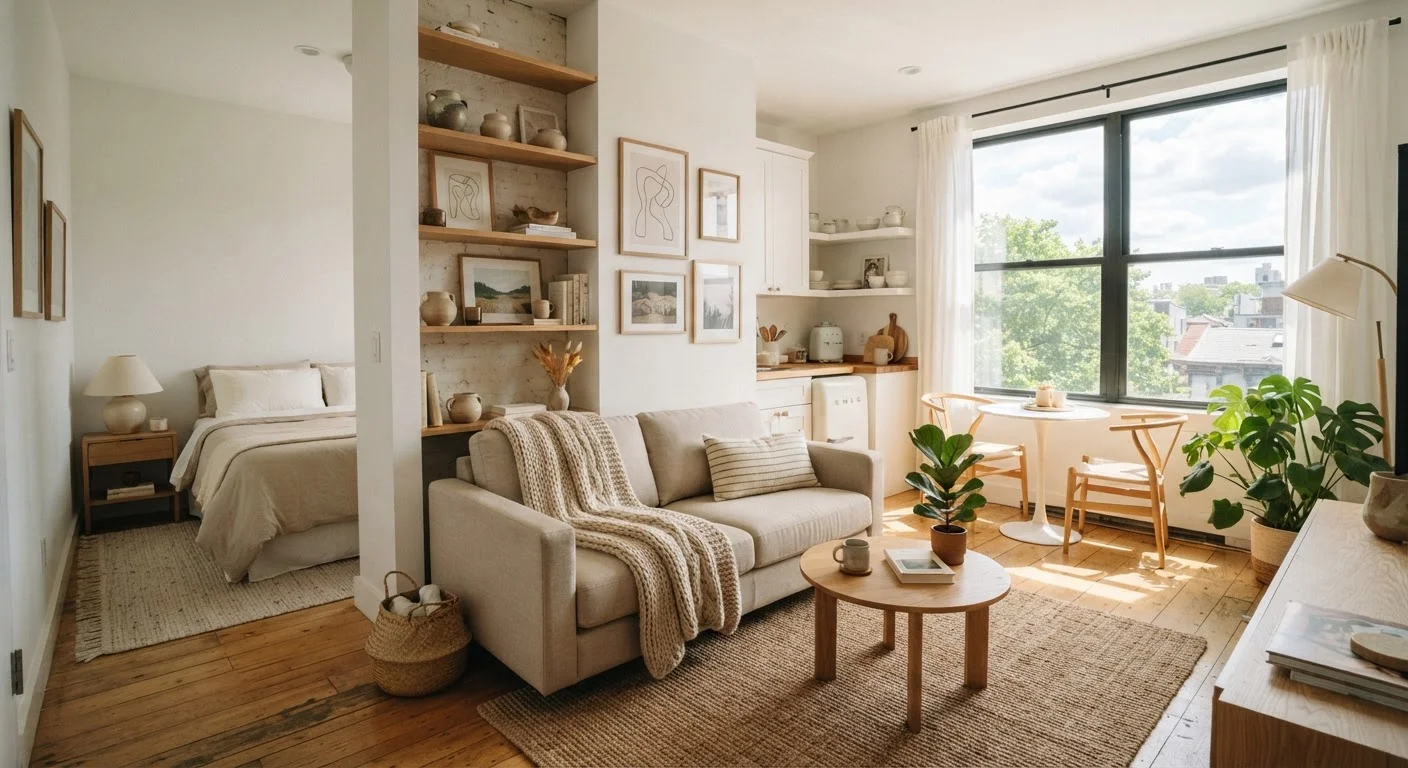
Start here
Set a Furnishing Budget Before You Buy Anything
Next
Prioritise by Room: What You Actually Need First
Then
Choosing Furniture That Works Harder in Small Spaces
Finally
Storage, Lighting, and the Details That Make It Feel Like Home
Set a Furnishing Budget Before You Buy Anything
Walking into an empty apartment is simultaneously exciting and overwhelming. The instinct is to start buying — but the first move should be financial, not physical. Before visiting any store or scrolling any listing, establish a clear furnishing budget tied to your actual income and existing expenses.
If you haven't built a household spending plan yet, our step-by-step budgeting guide walks you through the process from a blank spreadsheet. Knowing exactly how much you can allocate — whether that's $400 or $2,000 — completely changes which decisions make sense. Split your total into tiers: must-haves now, nice-to-haves in one to three months, and wish-list items for later. This staged approach prevents the common mistake of blowing the entire budget on a living room while sleeping on the floor for weeks.
Buy in Stages, Not All at Once
There is no rule that says your apartment must be fully furnished on move-in day. Buying in planned stages — essentials first, comfort items next, aesthetic pieces last — protects your cash flow and gives you time to understand how you actually use each space before committing to large purchases. Many people who rush to furnish immediately end up with pieces that don't fit their habits.
Prioritise by Room: What You Actually Need First
Not every room is equally urgent. Work through this order:
- Bedroom: A quality mattress is the single highest-impact purchase in any apartment. Poor sleep costs you in health and productivity. A bed frame is secondary — a mattress on a clean floor is a perfectly functional starting point.
- Kitchen: Most rentals include appliances, so your costs here focus on basics: a few pots, a cutting board, a chef's knife, and dishware. Resist over-purchasing kitchen gear early; assess what you genuinely cook first.
- Living area: You need somewhere to sit, but a sofa is a large expense. A secondhand loveseat, a pair of floor cushions, or even a daybed can cover this while you save for something more permanent.
- Dining: A small folding table and two chairs is often enough for a first apartment. It takes minimal floor space and can move easily as your layout evolves.
Everything else — rugs, wall art, accent furniture — contributes to comfort and personality but does not affect your ability to function day-to-day. Defer these purchases until after the essentials are covered.
Choosing Furniture That Works Harder in Small Spaces
In a small apartment, every piece of furniture should justify the floor area it occupies. The guiding principle is multi-functionality: one item, more than one job.
Multi-functional furniture
Furniture designed to serve more than one purpose — for example, a storage bed or a fold-out dining table — so each piece earns its floor space.
Visual weight
How heavy or bulky a piece of furniture looks in a room. Low-profile, leggy pieces have less visual weight and make small spaces feel more open.
Vertical storage
Using wall height rather than floor area for storage — shelves, wall hooks, and tall bookcases keep the floor clear and make ceilings feel higher.
Zoning
Dividing an open-plan or studio space into distinct functional areas (sleeping, working, dining) using furniture arrangement, rugs, or lighting rather than walls.
Layered lighting
Using multiple light sources at different heights — overhead, mid-level, and floor — to create a warm, flexible atmosphere rather than relying on a single harsh fixture.
Practical examples include:
- A bed frame with built-in drawers eliminates the need for a separate dresser.
- A storage ottoman doubles as a coffee table and a place to stow throws or extra linens.
- A wall-mounted drop-leaf table can serve as a desk, dining surface, and folding workspace — then disappear flat against the wall.
- Open shelving displays items while keeping the floor clear, which visually enlarges a room.
When evaluating any piece, ask: does this serve one purpose, or two? If it serves only one, is that purpose important enough to justify the space? Our reference on small-space living concepts and techniques covers the vocabulary behind these decisions — from zoning to visual weight — which is worth reading before you finalize any layout.
Proportion matters as much as function. Oversized furniture shrinks a room; pieces with exposed legs and slimmer profiles preserve visual breathing room. When in doubt, measure twice and use painter's tape on the floor to mock up the footprint before committing.
Storage, Lighting, and the Details That Make It Feel Like Home
Once the essentials are in place, two categories make the biggest difference in how a small apartment feels: storage and lighting.
Storage: Think vertically. Wall-mounted shelves installed high draw the eye upward and keep the floor clear. Over-door organizers, under-bed bins, and tension-rod shelf dividers are inexpensive ways to multiply usable storage without adding furniture footprint. If your lease allows small wall anchors, floating shelves pay significant dividends. Always verify what your rental agreement permits before drilling — and see our renter's toolkit guide for the basic tools you'll want on hand for these kinds of minor installations.
Lighting: Overhead fixtures in rentals are often harsh and unflattering. Adding a floor lamp, a desk lamp, or plug-in sconces — all renter-safe options — creates layered light that makes a room feel warmer and larger simultaneously. Warm-toned bulbs (look for a color temperature around 2700K) are more livable than cool white in a home setting.
Final layer — personality: A rug anchors a seating area and absorbs sound, which matters in hard-floored apartments. A few plants add life without clutter. These finishing touches don't need to happen on move-in day. As your apartment evolves, so can its character. For a longer view on maintaining and improving a small space over time, the complete guide to making a small home work long-term is a natural next step once you're settled.
Frequently Asked Questions
Focus on sleep, sitting, and eating before anything else. A bed or quality mattress, a seating option, and a surface to eat at cover your immediate daily needs. Everything else — decor, extra storage, accent pieces — can follow once your budget recovers.
Costs vary widely based on location, choices, and whether you buy new or secondhand. A very minimal setup can be assembled for a few hundred dollars if you shop used; a new entry-level setup often runs into the low thousands. Budget before you shop, not after.
Yes, for most pieces it is an excellent option. Solid-wood items like bookshelves, tables, and bed frames hold up well secondhand. Use caution with upholstered items — inspect carefully for stains, odors, or pest evidence before purchasing.
Use furniture with exposed legs to create visual breathing room, mount shelves high on walls to draw the eye upward, and stick to a limited, cohesive color palette. Mirrors and layered lighting also amplify the sense of space considerably.
The bed takes priority — poor sleep affects everything else. Once your sleeping situation is handled, a compact sofa or loveseat becomes the next meaningful purchase. In a true studio, a daybed or sleeper sofa can serve both functions.
Multi-functional furniture serves more than one purpose — for example, an ottoman with internal storage, a dining table that folds flat, or a bed frame with built-in drawers. In a small apartment, each piece must earn its floor space, and multi-functional items help you do more with less.
The content provided on our blog site traverses numerous categories, offering readers valuable and practical information. Readers can use the editorial team’s research and data to gain more insights into their topics of interest. However, they are requested not to treat the articles as conclusive. The website team cannot be held responsible for differences in data or inaccuracies found across other platforms. Please also note that the site might also miss out on various schemes and offers available that the readers may find more beneficial than the ones we cover.